Types of stamps, and what each one is actually for
9 September 2026 · Stamp-Seal
Make your stamp free · Browse 225 templates
Most of the trouble with stamps comes from picking the wrong one of the types of stamps available. What stamp do I need is a question about the job, not about the shape. A seal is used where a dated stamp was wanted; a rubber office stamp is used where a company seal was asked for; a signature stamp turns up where somebody expected a signature. Here is the whole family, what each one is for, and what it is not for.
Open the stamp maker and start from any of these
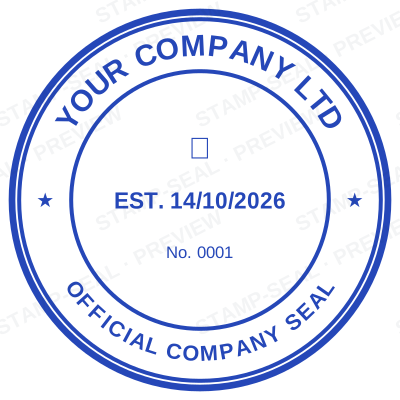
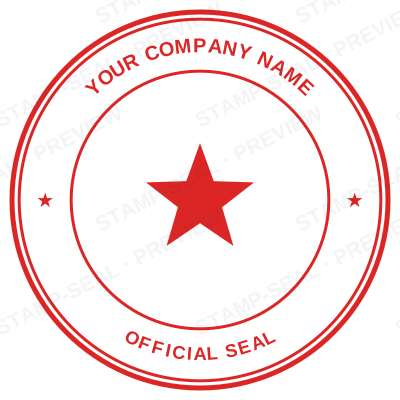
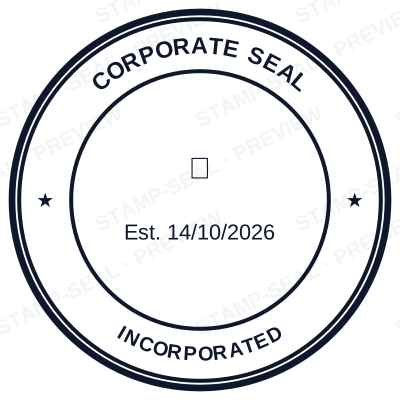
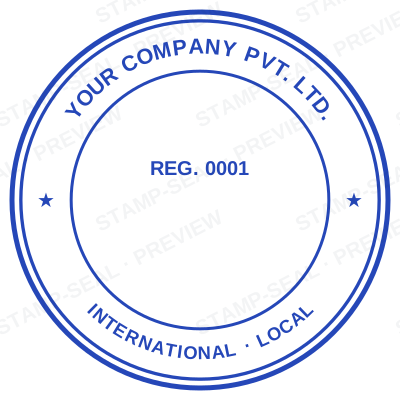
1. The company seal
Round, carries the registered name around the ring and usually the registration number, and its job is to identify the legal entity. It says who, not what and not when.
Used on contracts, corporate resolutions, bank paperwork, certificates and anything where a counterparty wants a mark tied to the registered company. It does not want a date on it: a seal is not an event.
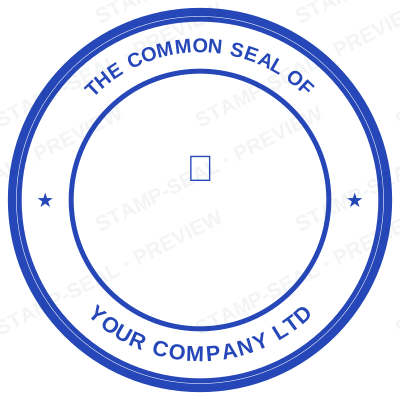
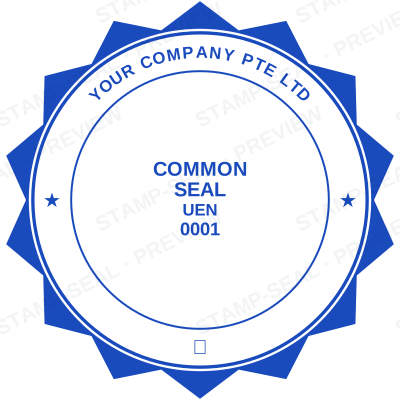
2. The common seal
The formal version of the same idea, named in company law and traditionally embossed rather than inked. Where it survives it is used on deeds, share certificates and instruments executed under seal, often with two signatures beside it.
Many jurisdictions made it optional years ago and it stayed in use anyway, because the people asking for it are banks and registries rather than legislators.

Open the stamp maker and start from any of these
3. The office stamp
Rectangular, carrying the company name, address, phone and registration or tax number. This is the workhorse in most of Europe and much of Asia: it fills in on a form what a letterhead would have carried, and it is closer to an address stamp than to a seal.
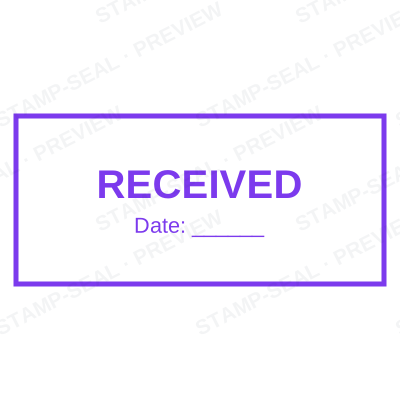
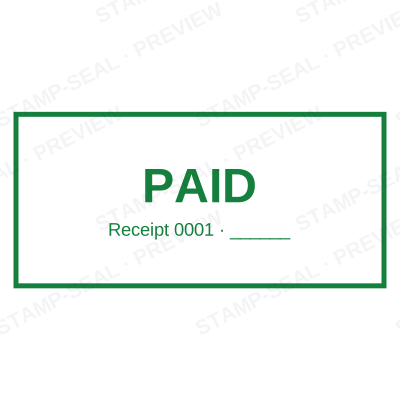
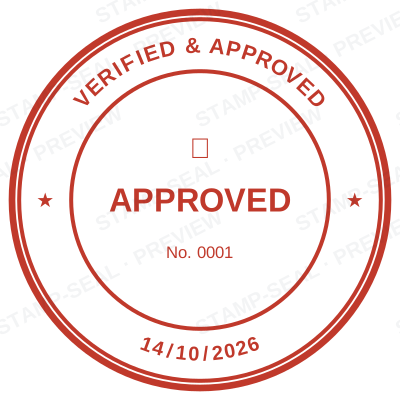
4. Status stamps
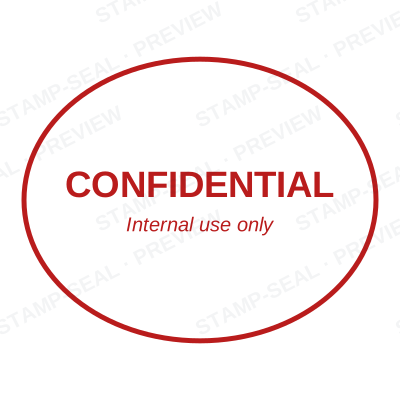
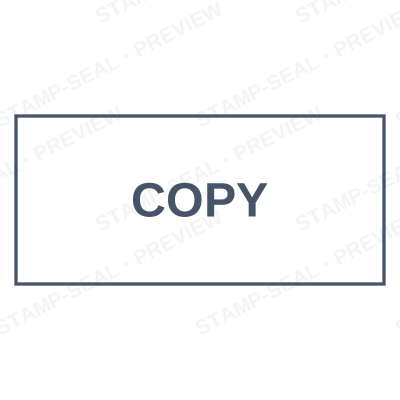
RECEIVED, PAID, APPROVED, DRAFT, COPY, VOID, CONFIDENTIAL, ORIGINAL. One word, sometimes with a date line and a set of initials, and their job is to record a decision or a state on the face of the document.
The important distinction inside this group: RECEIVED and APPROVED are events and want a date. CONFIDENTIAL and COPY are states and do not.

Open the stamp maker and start from any of these
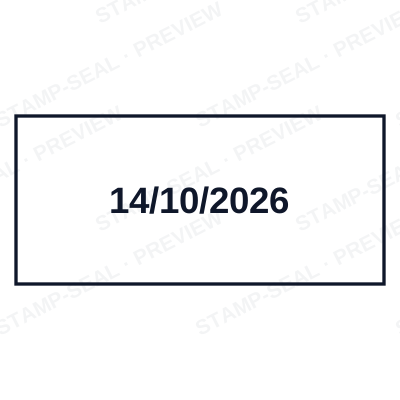
5. The date stamp
A stamp whose whole content is the date, or a stamp with a date line inside it. It records when something happened, which is why the date has to be right on the day it is used rather than on the day it was designed.
That is a real problem with digital stamps: most tools draw the date into the picture, so the file shows one date forever. If a date matters, keep it as live text.
Read more: Date stamps: why yesterday's date keeps showing up, and the fix
6. The serial or numbering stamp
A stamp that steps a number on each time it is used, on invoices, vouchers, batches, exhibits and case files. Its value is that no two documents share a number, which only holds if the counter is kept somewhere reliable rather than typed in by hand.
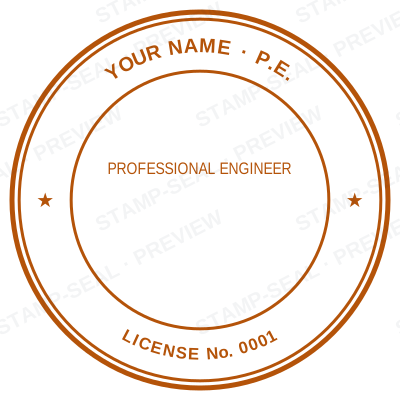
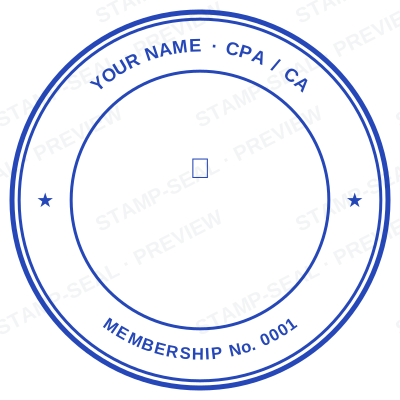
7. Professional seals
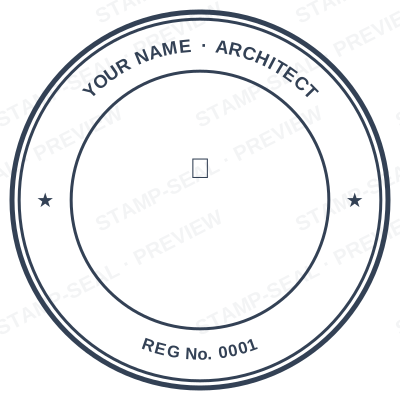
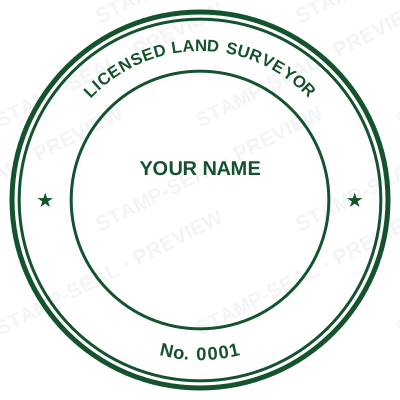
Engineers, architects, surveyors, doctors, pharmacists, accountants, lawyers. The mark carries a name, a licence or registration number and often the issuing body, and the point of it is that the person applying it holds that credential.
What goes on one, and whether a digital version is accepted at all, is set by the board you are registered with and differs by country and often by state. Check your own registration rules rather than relying on any layout you find online, and only produce a mark for credentials you actually hold.


Open the stamp maker and start from any of these
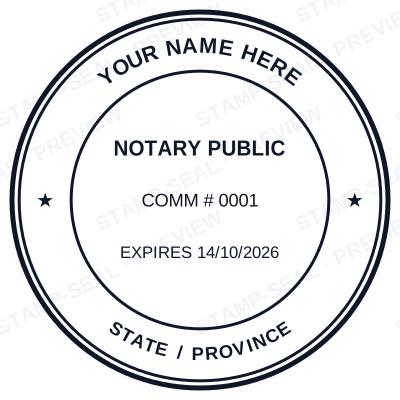
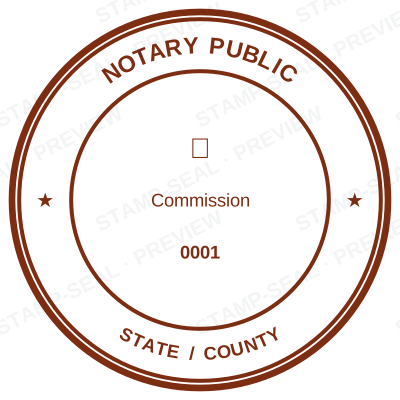
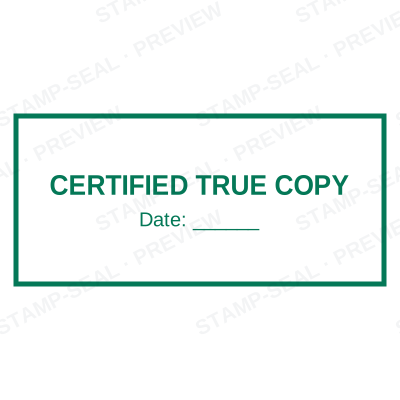
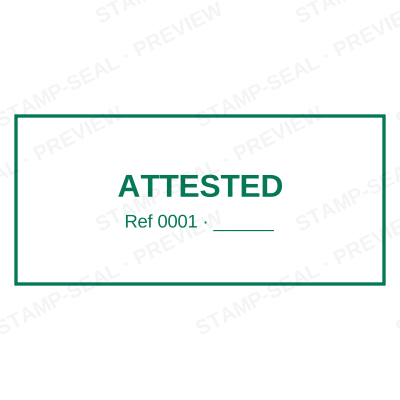
8. Notary and legal seals
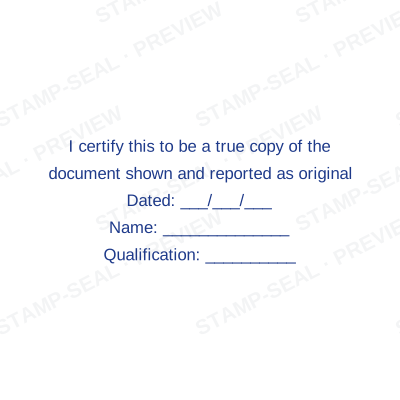
A notary seal, a commissioner for oaths stamp, a certified true copy stamp, an attestation stamp. These record an act performed by a person holding an office, and they are the most heavily regulated stamps in this list. In many places the wording and even the dimensions are specified.

Open the stamp maker and start from any of these
9. Bank and finance stamps
Endorsements such as FOR DEPOSIT ONLY, teller stamps, branch stamps, cheque received stamps. Small, functional, and usually carrying an account or branch identifier. A deposit endorsement is the one case where a stamp is genuinely doing security work, by limiting what can be done with the cheque it is on.
10. Inspection and quality stamps
QC PASSED, INSPECTED BY, a batch or shift number, often on a custom triangular inspection stamp, sometimes a gauge or specification reference. They belong to a process rather than to a person, which is why they usually carry an inspector number instead of a name.
11. The signature stamp
A facsimile of somebody's signature, and a digital signature stamp for Word documents is the same object as a file. Useful for high volume internal paperwork and genuinely risky elsewhere: a signature stamp in a drawer is a signature anybody in the office can apply. Where one is used, it belongs with a company stamp beside it, so the mark says which company as well as which person.
12. Address and return stamps
Plain, rectangular, three or four lines. Envelopes, packages, forms, the backs of photographs. Nothing to decide except the wording and the size.
13. Logo and monogram stamps
A mark built around a logo or a set of initials rather than around a block of text. Used by studios, small brands, makers and anywhere the stamp is a piece of branding rather than an administrative act.
Read more: Logo and monogram stamps: getting a logo onto a seal without a white box
14. Chops
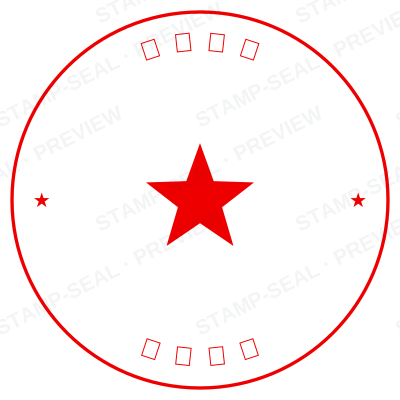
The East Asian family: the Chinese company chop, contract chop, finance chop and legal representative chop, the Japanese hanko and kaisha-in, the Korean dojang. In China in particular the chop carries more weight than a signature, and an official one must be carved by a licensed engraver and registered.
Open the stamp maker and start from any of these
15. Embossers and wax seals
Embossers press the mark into the paper with no ink at all, which is why they were hard to forge and why they survive on certificates and share paperwork. Wax seals are decorative now, on invitations and packaging.
Both photograph and scan poorly, which is the thing to know when a document that carries one is going to travel as a PDF. A digital version placed on the file is what actually survives the trip.
Stamp uses: the three questions that pick the type for you
Is the mark about who, or about what happened? Who is a seal. What happened is a stamp, and it wants a date.
Does it identify a company or a person? A company mark carries the registered name and number. A personal or professional mark carries a name and a licence number, and comes with rules attached.
Will it be applied once or a thousand times? A once-only mark can be as detailed as you like. A high volume one should be simple, because it will be applied crookedly, over text, on a bad photocopy, and it still has to read.
This describes common commercial practice rather than giving legal advice, and practice changes. Where a specific document matters, check the requirement with the body receiving it, and only produce a mark your own organisation is entitled to use.
Questions people ask
What are the main kinds of rubber stamps?
Company seals and common seals, rectangular office stamps, status stamps such as received, paid and approved, date stamps, numbering stamps, professional and notarial seals, bank endorsements, inspection stamps, signature stamps, address stamps, logo and monogram marks, chops, and embossers.
What is the difference between a company seal and an office stamp?
Office stamp types all do the same kind of work: the seal identifies the legal entity and carries the registered name; the office stamp carries the address and contact details and does the work a letterhead would do. Most companies own one seal and several office stamps.
Which stamp do I need for invoices?
Usually two: a company or office stamp that identifies you, and a PAID or RECEIVED stamp with a date line for recording what happened to the document. They do different jobs and should not be combined into one mark.
What kind of stamp records a date?
A date stamp, or any status stamp with a date line in it. Keep the date as live text rather than drawn into the image, or the file shows the day it was made rather than the day it was used.
Every kind of stamp and seal
- Notary stamps and seals
- Rubber stamps
- Rubber stamp maker
- Self-inking stamps
- Office stamps
- Official stamps
- Company seals
- Corporate stamps and seals
- Company chops
- Seals for civil servants
- Justice and court stamps
- Legal and advocate stamps
- Certified true copy stamps
- Medical stamps
- Pharmacy stamps
- Veterinary stamps
- Engineer and architect seals
- Land surveyor seals
- Bank stamps
- School and principal stamps
- Teacher and marking stamps
- University and college seals
- Library stamps
- Inspection stamps
- Courier and logistics stamps
- Construction and site stamps
- Real estate stamps
- Hotel and restaurant stamps
- Church and charity seals
- Tender and bid stamps
- HR and payroll stamps
- Received and paid stamps
- Confidential and draft stamps
- Signature stamps
- Date stamps
- Custom band stamps
- Numbering stamps
- Address stamps
- Monogram stamps
- Wedding stamps
- Gift and craft stamps
- Art and logo stamps
- Wax and foil seals
- Stamp or seal, by profession